Children and young people in care don’t just need services — they need systems that understand them. Too often, care organisations, schools, and agencies work under immense pressure, trying to manage behaviours without the tools to understand their origins.
At Relational Minds, we help organisations build cultures of safety, reflection, and compassion. Using DDP principles, our training transforms teams from reactive to relational — because real change starts when professionals see behaviour as communication, not defiance.
The Shift That Changes Everything
Across Australia, tens of thousands of children live in Out-of-Home Care. Many have experienced trauma, loss, and attachment disruptions — which profoundly shape the way they interact with adults and systems.
Unfortunately, many carers and frontline workers report feeling underprepared to manage trauma-related behaviours. Traditional behaviour management training often leaves staff feeling frustrated, reactive, or emotionally drained.
Relational Minds changes that dynamic. Our DDP-informed programs teach professionals to ask not “What’s wrong with this child?” but “What’s happened to them — and how can we respond differently?”
This single shift reduces burnout, strengthens team culture, and ultimately improves outcomes for young people.
A Partner’s Reflection: “It Completely Changed the Way Our Team Understands Behaviour”
“Your training completely changed the way our team understands behaviour. Instead of asking ‘what’s wrong with this child,’ we now ask ‘what’s happened to them?’ The shift has been incredible — fewer meltdowns, more trust, and a calmer, more connected environment for everyone.”
Proven Impact of Relational Minds Training
– 82% of participants report improved understanding of trauma-informed care principles.
– 77% of staff report reduced emotional burnout within three months.
– 91% of managers observe stronger teamwork, communication, and retention rates post-training.
– Agencies report up to 40% fewer critical incidents after introducing relational training models.
Building Cultures of Connection
Our training and supervision programs help organisations:
– Translate trauma theory into practical daily practice
– Build reflective supervision structures that prevent burnout
– Strengthen relational leadership and emotional safety within teams
– Align organisational culture with DDP and attachment-based frameworks
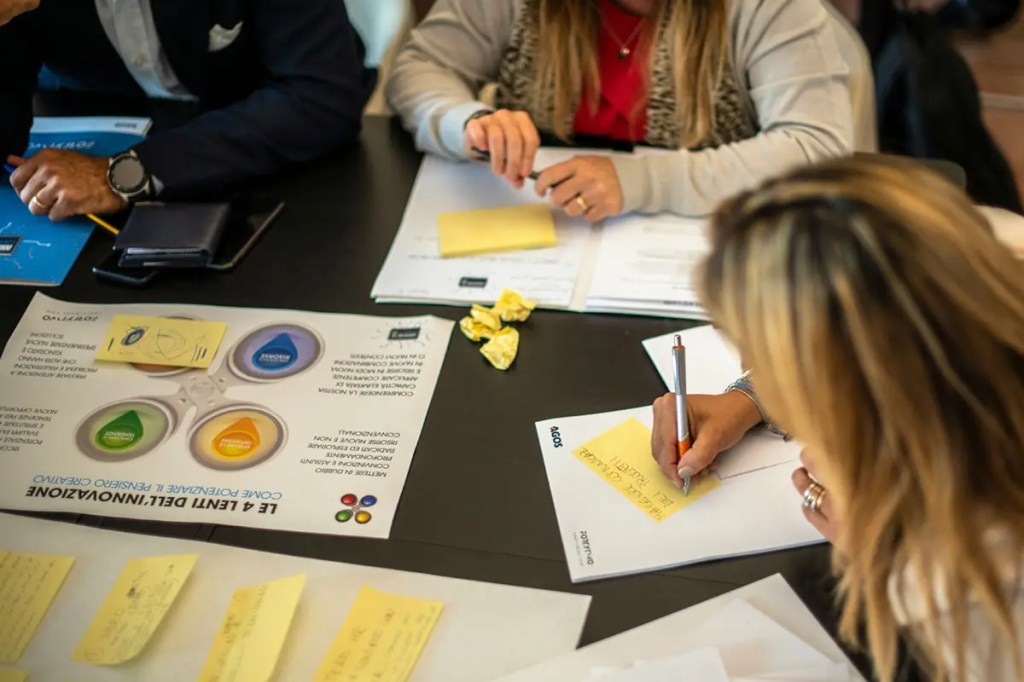
Each session is interactive, experiential, and tailored to your workforce — whether you’re a residential care agency, school wellbeing team, or NDIS service provider.
The Evidence Behind Relational Practice
Reviews have found that relationally trained care teams report higher staff retention, fewer placement breakdowns, and stronger child outcomes than traditional behaviour management models.
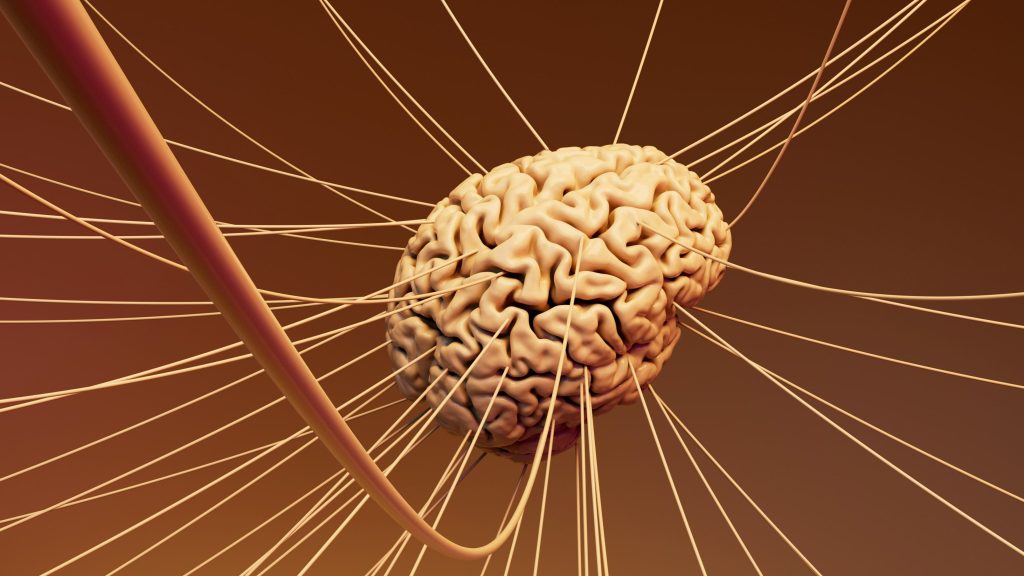
Neuroscience supports this: safety and attunement in adult-child relationships calm stress systems, lower cortisol levels, and improve long-term emotional regulation. When professionals embody relational safety, children begin to trust again — and trust changes everything.
Why Organisations Partner with Relational Minds
– Specialised in developmental and trauma-informed care
– Multidisciplinary expertise in psychiatry, psychology, and family therapy
– Evidence-based DDP framework proven to improve team cohesion and client outcomes
– Customised programs for OOHC, schools, NDIS, and community services
FAQs
Q: What types of organisations can benefit from Relational Minds training?
A: Schools, residential care providers, NDIS services, child protection agencies, and mental health organisations working with children and families.
Q: How long are the training programs?
A: We offer single-day workshops, multi-session programs, and ongoing reflective supervision packages tailored to your organisation’s needs.
Q: Do you provide certification or professional development hours?
A: Yes. All participants receive completion certificates, and training can contribute to CPD requirements for psychologists, social workers, and educators.