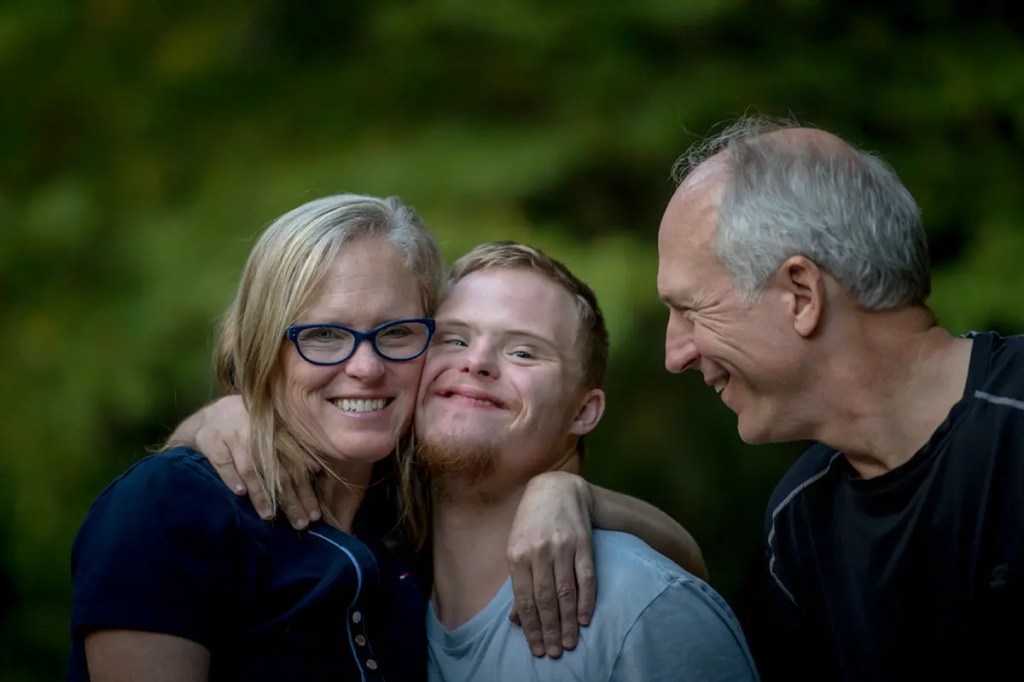
When a child struggles with anxiety, emotional shutdowns, or behavioural challenges, parents often feel helpless. It’s natural to look for external solutions — therapy, medication, or school interventions. But research consistently shows that the single most powerful factor in a child’s recovery is the quality of their relationship with their primary caregiver.
At Relational Minds, we help parents become the safe base their child needs to heal. Our model of working through parents empowers families to restore calm, confidence, and connection — because real change begins in the relationships children trust most.
Why Connection Is the Foundation of Healing
One in seven Australian children experiences a mental health disorder each year, yet fewer than 35% receive professional help — often due to stigma, access, or burnout.
While professional therapy is crucial, the day-to-day environment at home has the greatest influence on a child’s emotional development. Studies show that children recover significantly faster when caregivers are actively involved in relational approaches to care.
Relational Minds equips parents with the skills and confidence to co-regulate, listen, and connect — creating the conditions where therapy can take root.
Understanding the Child Beneath the Behaviour
Our clinicians help families look beneath the surface of behaviour to understand the emotions driving it. Meltdowns, defiance, or withdrawal aren’t signs of bad behaviour — they’re messages from a child’s nervous system saying, “I don’t feel safe.”
Through DDP principles, we teach parents to respond with curiosity instead of correction, empathy instead of frustration, and structure instead of control.
When parents approach a child’s behaviour through this relational lens, they unlock the door to healing — not just for the child, but for the whole family system.
A Parent’s Story: “We Walked the Journey Back to Wellness Together”
“Relational Minds held our family’s hand through a very difficult time. The team was incredibly understanding and knowledgeable, and they connected with our family member needing support in such a genuine way. We walked the journey back to wellness together, with Relational Minds beside us every step of the way. The art therapies and family clinicians were also wonderful. We can’t thank you enough for your care, compassion, and guidance.”
Why Families Choose Relational Minds
– Family-first approach: therapy and support delivered through parents, not just to children.
– Evidence-based results: 87% of families report improved family communication and reduced conflict after six sessions.
– Multidisciplinary expertise: psychiatrists, psychologists, and family therapists collaborate to address emotional, relational, and neurodevelopmental needs.
– Accessible support: hybrid online and in-person options across Victoria and Australia.
The Science Behind Relational Healing
Modern neuroscience confirms that relationships shape brain development. When children experience safety and attunement in their relationships, their stress responses calm, emotional regulation improves, and capacity for learning and connection expands.
A meta-analysis has shown that relationship-based family interventions can outperform individual child therapy by up to a third in long-term emotional outcomes.
At Relational Minds, every session is designed with that evidence in mind.
Taking the First Step Toward Connection
Supporting your child’s mental health doesn’t mean having all the answers — it means being willing to connect. Our clinicians help families rebuild trust and understanding, providing tools that turn everyday struggles into moments of growth.
Healing truly does begin at home — and with the right guidance, families can rediscover calm, joy, and connection.
FAQs
Q: How does Relational Minds support children through parents?
A: We use a DDP-informed model that helps parents understand and respond to their child’s emotional needs with curiosity, empathy, and structure.
Q: Is this approach suitable for all ages?
A: Yes. It’s effective for children and adolescents, particularly those experiencing anxiety, mood issues, trauma, or neurodevelopmental challenges.
Q: Can I access this support online?
A: Absolutely. We offer hybrid models so families across Australia can access therapy and parent coaching virtually or in-person.